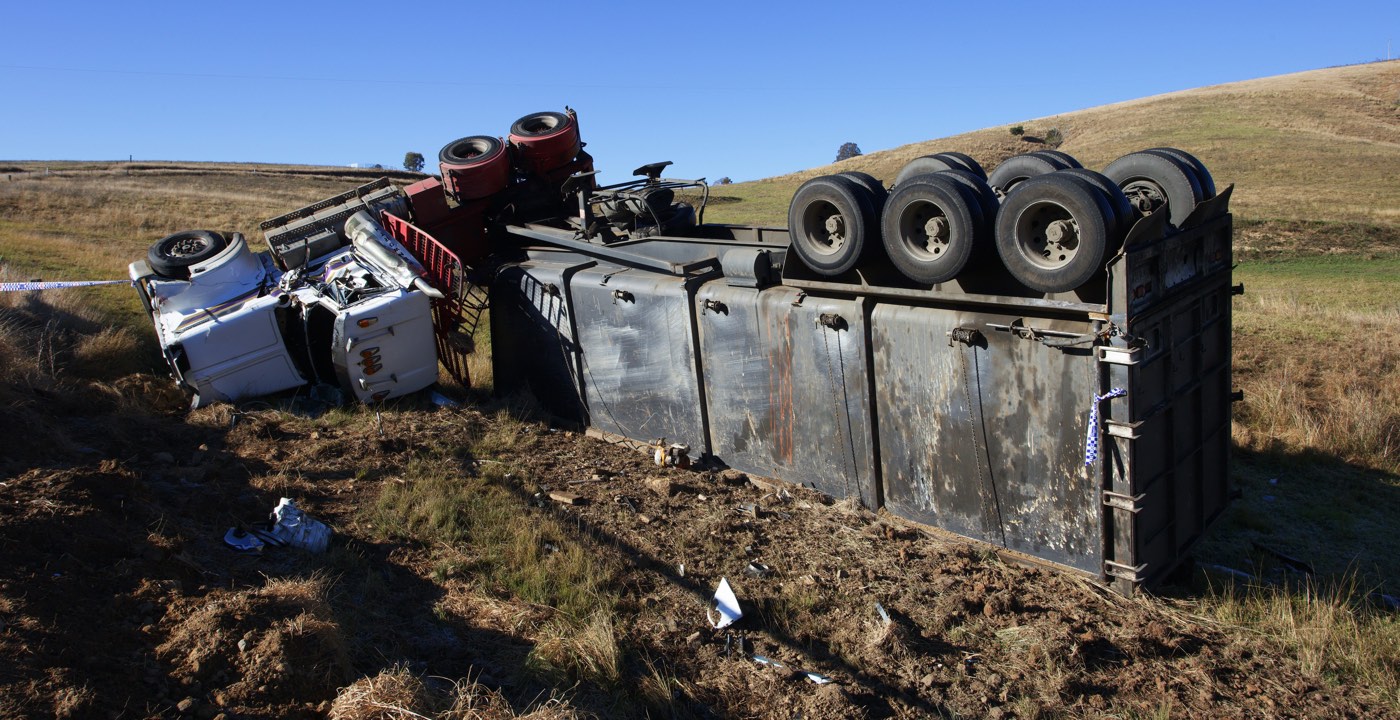
Truck crashes in the Chicago area
Chicago is the center of the country's freight network. Interstates 55, 57, 80, 88, 90, and 94 all run through the region, and the region's rail yards put a steady stream of trucks on local roads. Semis share the Dan Ryan and the Kennedy with commuters, and delivery trucks and box trucks crowd city streets. A crash involving any of them is very different from a collision between two cars.
The injuries are usually worse. More companies may share the blame, each with its own insurer and lawyers, and some of the most important evidence belongs to the trucking company.
Preserving the evidence before it is lost
A commercial truck keeps a detailed record of its trip. Its electronic logging device tracks the driver's hours. The engine computer records speed, braking, and throttle in the seconds before impact. Many trucks also have forward- and driver-facing cameras and GPS tracking. Back at the office, the carrier keeps the driver's qualification file, drug and alcohol test results, inspection reports, and maintenance records.
Some of this data gets overwritten or discarded in the normal course of business. Early in a truck case, Paul M. Marriett sends the carrier a written preservation demand (often called a spoliation letter) requiring it to keep the truck, the electronic data, and the records. The sooner that letter goes out, the more evidence survives.
Who may be responsible
A truck crash can involve several defendants, and each one can be another source of insurance:
- The truck driver, for speeding, distraction, fatigue, or impairment.
- The motor carrier, for unrealistic delivery schedules, hiring or keeping an unsafe driver, or skipping maintenance.
- The owner of the tractor or trailer, if it is a different company and the equipment was defective.
- The shipper or loader, when cargo was overloaded, unbalanced, or not secured.
- A parts manufacturer or repair shop, when brakes, tires, or other parts failed.
The more responsible parties there are, the more coverage may be available, and in a catastrophic case that often decides whether the recovery is enough to pay for the care the person will need.
Safety rules for trucking companies
Interstate trucking companies and their drivers must follow the Federal Motor Carrier Safety Regulations, and a violation can be strong evidence of fault. Some of the rules that come up most in crash cases:
- Hours of service: limits on driving and on-duty time, recorded by the electronic logging device.
- Driver qualification: commercial licensing, medical certification, and drug and alcohol testing.
- Inspection and maintenance: required pre-trip inspections and repair records.
- Cargo securement: requirements for how loads must be secured.
Illinois law still decides the deadline and how fault is shared. Most claims must be filed within two years (735 ILCS 5/13-202), and your compensation is reduced by your share of fault unless that share is more than 50%, which bars recovery (735 ILCS 5/2-1116). The truck's data can disappear long before the two years run out.
Injuries in truck crashes
A fully loaded tractor-trailer can weigh up to 80,000 pounds, many times more than a passenger car. In a collision, the people in the smaller vehicle take most of the force. Common injuries include:
- Traumatic brain injuries with lasting effects on memory, mood, and work;
- Spinal cord injuries, including paralysis;
- Multiple fractures and crush injuries, especially in underride and rollover crashes;
- Internal bleeding and organ damage that may not be obvious at the scene;
- Amputations, burns, and permanent scarring.
Valuing a truck accident claim
Because truck crash injuries often last years or a lifetime, the claim has to account for what the injury will cost in the future, not just the bills so far. Depending on the case, that may include surgery and hospital care, long-term rehabilitation and home care, lost income and earning capacity, and pain and suffering. In a fatal crash, an Illinois wrongful-death claim covers the family's losses. Paul works with treating doctors and, where needed, other experts to project those future costs, and then builds the claim around that number rather than the carrier's early offer.
What a case costs
Cases like this are handled on a contingency-fee basis: no hourly bills, and the attorney fee comes out of any recovery. Clients may be responsible for litigation costs and expenses regardless of outcome. Paul M. Marriett explains exactly how that works, in writing, before you sign anything.
Frequently asked questions
Why is a truck accident claim harder than a car accident claim?
Truck cases tend to involve more serious injuries, several companies that may share responsibility, multiple insurance policies, and federal safety rules. Key evidence such as electronic logs and engine data is controlled by the carrier and can be lost unless it is preserved early.
Who can I sue after a semi-truck crash?
Depending on what caused the crash, the driver, the motor carrier, the owner of the tractor or trailer, the company that loaded the cargo, and a parts maker or repair shop may all be responsible. Each may have its own insurance.
How soon should I contact a lawyer after a truck accident?
As soon as you can. Carriers often have investigators at the scene within hours, and truck data and records can be overwritten or discarded in the ordinary course of business. An early preservation demand helps keep that evidence available.
The trucking company is from another state. Can I still bring a claim in Illinois?
Generally, yes. Carriers from all over the country drive through the Chicago area, and a crash that happens here can usually be pursued here. Federal safety regulations apply to interstate carriers no matter where they are based.
How long do I have to file a truck accident lawsuit in Illinois?
Most claims must be filed within two years (735 ILCS 5/13-202). Because key evidence can disappear much sooner, it is best to talk with an attorney well before then.
What does it cost to hire Paul for a truck accident case?
Truck cases are handled on a contingency fee: no hourly fees, and the attorney fee comes out of any recovery. Clients may be responsible for litigation costs regardless of outcome. Paul explains the fee and costs in writing before you sign anything.